
 By Ellen Harvey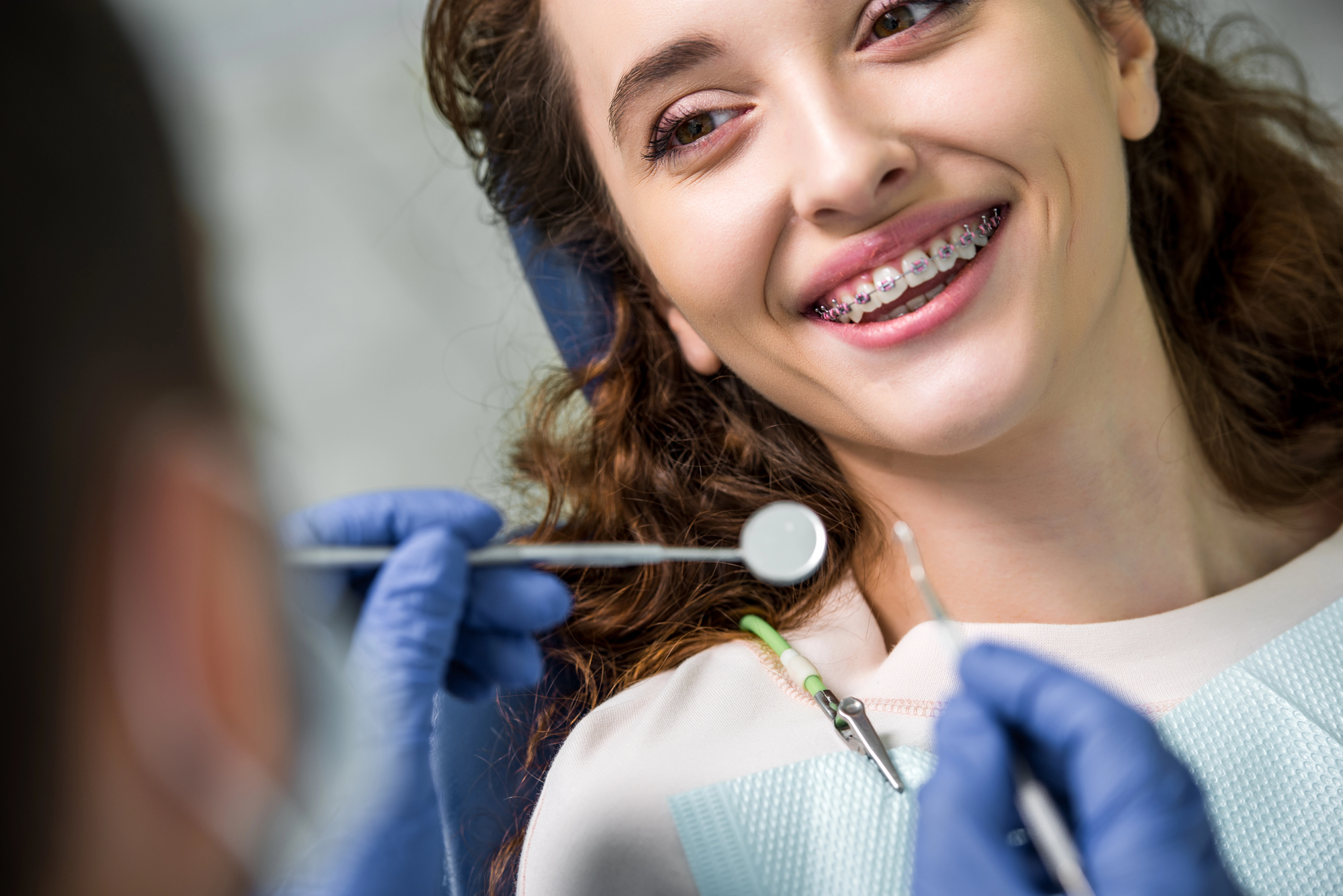
When people think about braces, the immediate association is often a straighter smile and improved appearance. While aesthetics are undeniably part of the orthodontic journey, this perspective only scratches the surface of what braces actually contribute to long-term wellbeing. In reality, orthodontic treatment is deeply intertwined with health-conscious living, influencing everything from dietary awareness to digestive function, oral hygiene discipline, and even broader lifestyle habits.
At their core, braces are not merely corrective devices; they are behavioural catalysts. They subtly reshape how individuals interact with food, hygiene routines, and self-care choices. This shift often extends far beyond the dental clinic, embedding itself into daily habits that align with a more mindful and health-oriented lifestyle.
One of the most immediate changes people experience with braces is a heightened awareness of food choices. Certain foods become inconvenient or even inadvisable due to their potential to damage brackets or wires. Sticky, hard, or overly processed foods often move to the sidelines, replaced by softer, nutrient-dense alternatives. This is where braces indirectly encourage people to give more attention to your nutrition.
Rather than relying on impulsive eating habits, individuals begin to evaluate food through a more functional lens: What supports healing? What is gentle on the teeth? What provides sustained energy without compromising oral health? Over time, this fosters a more intentional relationship with nutrition. Many people find themselves naturally gravitating toward balanced meals that include fruits, vegetables, lean proteins, and whole grains—foods that not only support orthodontic treatment but also overall systemic health.
This nutritional awareness is not accidental; it is a byproduct of constraint leading to consciousness. When braces limit certain choices, they also open the door to better ones. In this sense, orthodontic treatment becomes an unexpected gateway to healthier eating habits that often persist even after the braces are removed.
Beyond diet, braces significantly influence oral hygiene behaviour. Cleaning around brackets and wires requires more time, precision, and consistency than standard brushing and flossing. This heightened responsibility often results in a more disciplined hygiene routine. People become more aware of plaque buildup, gum sensitivity, and the importance of preventive care.
Such diligence does not remain confined to orthodontic maintenance. It often extends into broader health behaviour patterns. When individuals learn to care meticulously for their teeth, they frequently become more attentive to other aspects of personal health, such as regular check-ups, hydration habits, and even sleep hygiene. The discipline cultivated through braces can act as a micro-training ground for long-term wellness habits.
There is also a physiological dimension worth considering. Properly aligned teeth, which are the end goal of orthodontic treatment, contribute to more efficient chewing. This seemingly small improvement has a cascading effect on digestion. Food that is properly chewed is easier for the stomach to process, allowing nutrients to be absorbed more effectively. In this way, braces indirectly support digestive health, reinforcing the idea that oral health is inseparable from overall physical health.
From a psychological standpoint, braces can also reshape self-awareness in meaningful ways. While they are often associated with temporary self-consciousness, they also encourage patience, long-term thinking, and delayed gratification. Individuals undergoing orthodontic treatment learn to commit to a process that unfolds over months or years, rather than seeking immediate results. This mindset often translates into other health-related behaviours, such as fitness goals, dietary improvements, and stress management practices.
Importantly, braces also serve as a reminder that health is an ongoing process rather than a fixed destination. The gradual adjustment of teeth mirrors the gradual adjustment of habits. Just as teeth move incrementally into alignment, so too do lifestyle choices evolve through consistent, small actions.
Another often overlooked benefit is how braces influence portion control and mindful eating. Because eating requires more care and attention, individuals are less likely to rush through meals or consume food mindlessly. Chewing becomes more deliberate, and this slower pace can enhance satiety signals, helping individuals better recognise when they are full. This naturally supports healthier eating patterns without the need for strict dieting frameworks.
In addition, braces can reduce the likelihood of certain harmful oral habits, such as nail biting or chewing on non-food objects, simply because they make these actions uncomfortable or impractical. Over time, breaking these habits contributes to improved oral integrity and reinforces a more conscious approach to bodily awareness.
Ultimately, the impact of braces extends far beyond orthodontics. They function as a structured intervention that subtly guides individuals toward healthier decisions in multiple areas of life. From encouraging better food choices to fostering disciplined hygiene routines and improving digestion, braces play a quiet yet powerful role in shaping holistic wellbeing.
What begins as a pursuit of alignment often evolves into a broader transformation—one that encourages individuals to slow down, reflect, and give more attention to your nutrition and daily habits. In this way, braces are not just about straightening teeth; they are about recalibrating lifestyle priorities in favour of long-term health.
And perhaps that is their most valuable contribution: not the visible change in a smile, but the invisible shift in how a person chooses to live.