
 By Ellen Harvey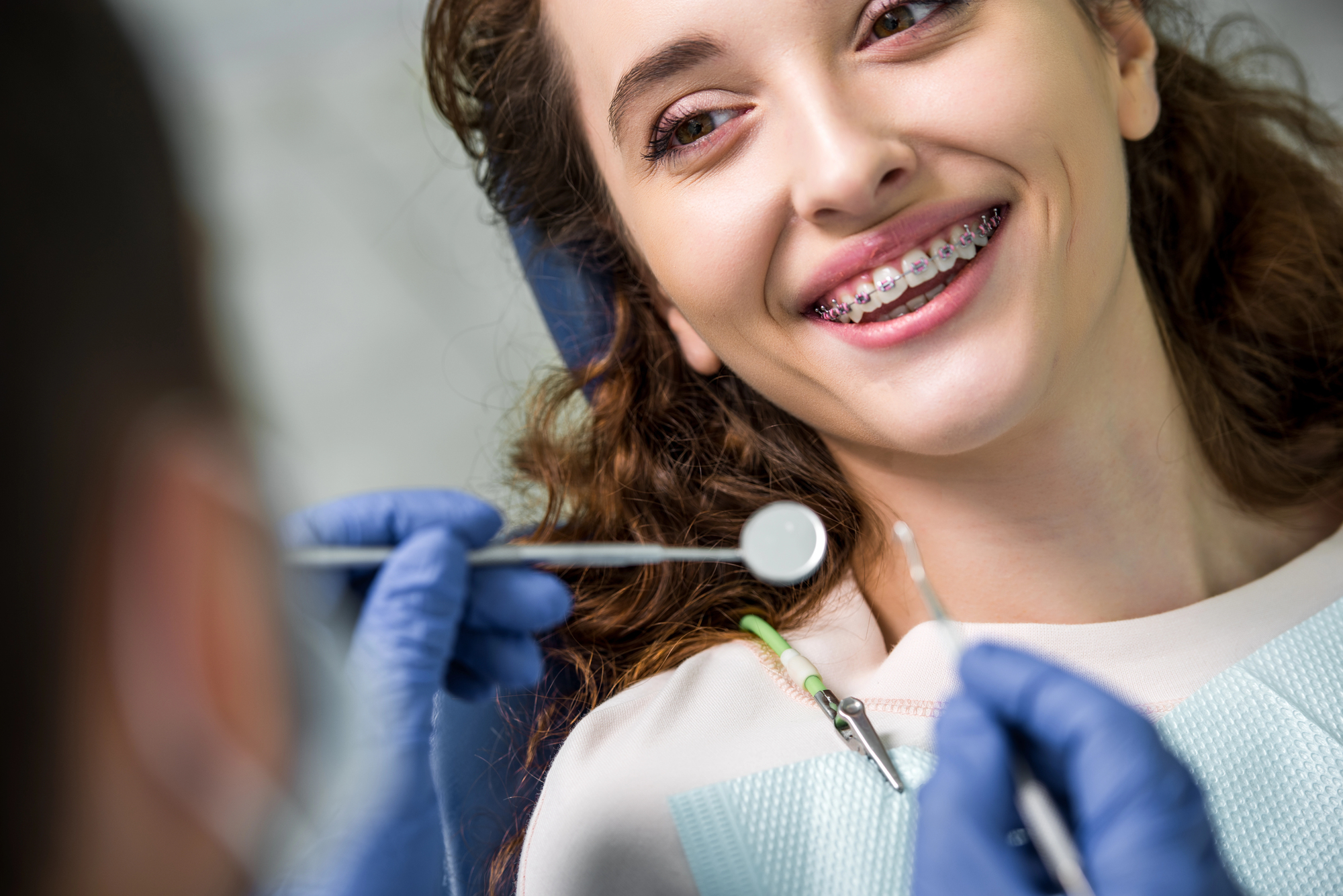
Beauty, as a concept, has never been static. Across eras, it has shifted from symmetry in classical sculpture to the curated imperfections of modern aesthetics. Yet in contemporary dentistry, a quieter revolution has been reshaping how we define attractiveness—not through makeup or fashion, but through structure itself. At the center of this transformation are braces, no longer seen as purely corrective devices, but as instruments of architectural refinement for the human smile.
To understand this shift, one must first recognize that a smile is not merely a facial expression; it is a structural system. Teeth, gums, lips, jaw alignment, and even facial musculature work together like interconnected beams in a building. When one element is misaligned, the entire visual and functional harmony is affected. This is where orthodontics reframes its role: not as cosmetic enhancement alone, but as smile architecture—the deliberate design and stabilization of facial balance.
Historically, braces were associated with adolescence, awkward stages, and long correction periods. Metal brackets and wires were visible markers of dental imperfection in transition. But this perception has shifted dramatically with the evolution of modern treatment approaches. Today, orthodontic care is as much about aesthetics during treatment as it is about the final result. Clear aligners, ceramic brackets, and digitally guided adjustments have changed the experience from conspicuous correction to subtle transformation.
Yet beyond technological improvements lies a deeper philosophical change: the idea that beauty is engineered through alignment. In this sense, braces act as both tool and metaphor. They represent the belief that structure precedes aesthetics—that a beautiful smile is not applied, but constructed over time with precision and intent.
From a clinical perspective, braces work by applying continuous, controlled force to reposition teeth within the jawbone. This biological process, known as bone remodeling, allows teeth to gradually shift into more optimal positions. However, what makes this process remarkable is not just its scientific basis, but its design intelligence. Orthodontists are, in effect, spatial designers of the human face. They analyze proportions, bite relationships, and facial symmetry to create outcomes that feel natural rather than manufactured.
In modern dentistry, this design process is increasingly digital. Three-dimensional imaging, AI-assisted planning, and predictive modeling allow practitioners to simulate outcomes before treatment begins. This elevates braces from reactive correction to proactive design. Patients are no longer simply receiving treatment—they are participating in a visual forecasting of their future smile. This is where modern treatment becomes transformative: it merges biology, aesthetics, and technology into a unified system of care.
What is particularly fascinating is how braces influence perceptions of identity during treatment. Unlike many cosmetic procedures that conceal change, orthodontics makes transformation visible. Each adjustment marks a stage in progress, creating a narrative of becoming rather than sudden alteration. This visibility reframes patience itself as part of beauty. The temporary presence of braces becomes symbolic—a reminder that refinement is a process, not an instant outcome.
Culturally, this has shifted how society interprets dental appliances. What was once considered awkward is now often viewed as intentional self-investment. In fashion-forward environments, braces are even reframed as aesthetic statements, reflecting a broader acceptance of transitional beauty states. This aligns with a growing cultural appreciation for authenticity—where visible effort is valued as much as final perfection.
From a psychological standpoint, the impact of braces extends beyond appearance. Correcting dental alignment can influence confidence, speech clarity, and even posture. A well-aligned bite improves not only function but also self-perception. People often report that after completing orthodontic treatment, they smile more freely—not because their face has changed entirely, but because their awareness of it has shifted. The architecture of the smile, once corrected, allows expression to feel less restrained.
The metaphor of architecture is particularly useful here. Just as buildings require foundations, beams, and load distribution, smiles require structural balance. Misaligned teeth are not merely aesthetic concerns; they can create functional inefficiencies that affect chewing, jaw strain, and long-term oral health. Braces, therefore, are not decorative interventions but foundational corrections that restore equilibrium.
In this way, orthodontics challenges superficial definitions of beauty. It suggests that attractiveness is not simply about surface symmetry but about underlying coherence. A smile is most compelling when it functions effortlessly—when structure supports expression without tension. This is the quiet achievement of braces: they create harmony that feels invisible once complete.
As modern treatment continues to evolve, we are likely to see even greater integration of biomechanics, artificial intelligence, and material science in orthodontics. Treatment durations are becoming more efficient, comfort is improving, and customization is reaching unprecedented levels. Yet the essence of braces remains unchanged: they are tools of transformation that operate slowly, precisely, and invisibly beneath the surface of daily life.
Ultimately, braces redefine beauty by reframing time itself. They teach that refinement is not instantaneous but accumulated. Every adjustment is a recalibration of form and function, every stage a step toward balance. In a world increasingly obsessed with instant results, orthodontics offers a counter-narrative: that true aesthetic value is built, not applied.
And in that sense, the smile becomes more than just an expression—it becomes architecture in motion.