
 By Ellen Harvey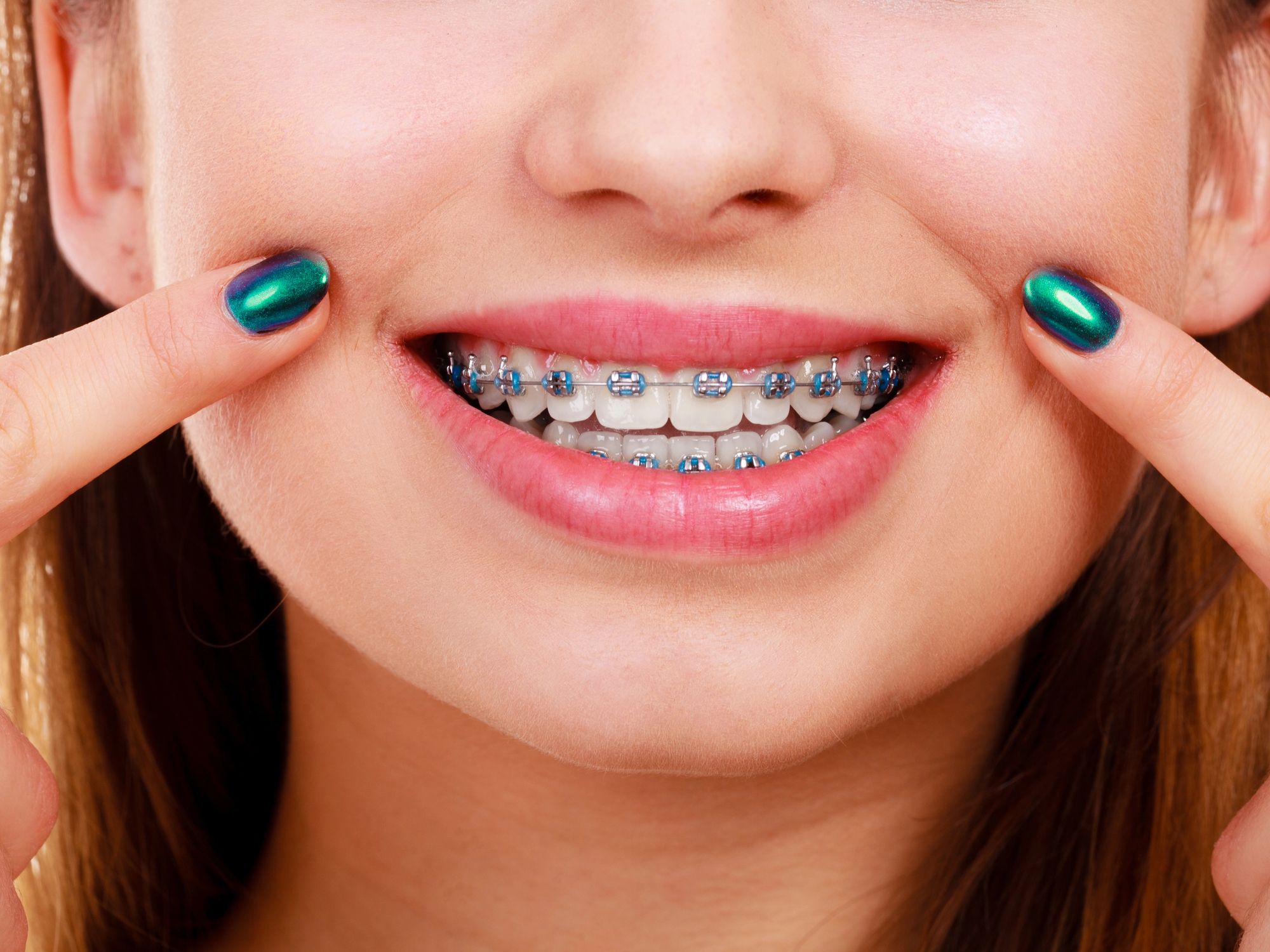
Many people think of braces as a cosmetic treatment designed primarily to straighten teeth. While an improved smile is certainly one of the most visible benefits, the true value of orthodontic treatment extends far beyond appearance. Modern orthodontics recognizes that properly aligned teeth contribute significantly to long-term oral health, helping prevent a range of dental problems that may otherwise develop over time.
The connection between tooth alignment and oral health is often underestimated. Teeth are part of a complex system involving the jaw, gums, facial muscles, and bite mechanics. When that system functions harmoniously, everyday actions such as chewing, speaking, and cleaning teeth become more efficient. When teeth are crowded, spaced incorrectly, or misaligned, the risk of future complications increases considerably. This is where braces play an important preventive role.
One of the most significant ways braces reduce future dental problems is by improving oral hygiene. Crooked or crowded teeth create tight spaces that are difficult to reach with a toothbrush or dental floss. Even individuals who maintain excellent oral care habits may struggle to remove plaque and food particles from these hard-to-access areas. Over time, plaque accumulation can lead to tooth decay, gum disease, and persistent bad breath.
By gradually moving teeth into more favourable positions, braces create an environment that is easier to clean and maintain. Once treatment is complete, patients often find that daily brushing and flossing become more effective, reducing the likelihood of cavities and periodontal issues. In this sense, orthodontic treatment acts as an investment in future preventive care rather than merely a cosmetic enhancement.
Bite alignment is another critical factor. When the upper and lower teeth do not fit together properly, uneven pressure can be placed on certain teeth during chewing. This imbalance may accelerate tooth wear, contribute to enamel erosion, and even increase the risk of fractures or chipping. Some individuals with significant bite problems may also experience jaw discomfort or strain in the temporomandibular joint (TMJ).
Orthodontic treatment addresses these issues by creating a more balanced bite. Proper alignment helps distribute chewing forces evenly across the teeth, reducing excessive stress on individual areas. This improved function can help preserve natural tooth structure and minimise the need for restorative treatments later in life.
The benefits of braces also extend to gum health. Teeth that overlap or rotate can create pockets where bacteria thrive. These areas may become breeding grounds for inflammation, leading to gingivitis and, if left untreated, more advanced periodontal disease. Healthy gums require accessible surfaces that can be cleaned thoroughly and consistently.
When orthodontic treatment improves tooth positioning, gum tissues can adapt around straighter teeth more effectively. This often results in healthier gum contours and a reduced risk of chronic inflammation. Maintaining healthy gums is essential not only for oral health but also for preserving the long-term stability of the teeth themselves.
There is also an important relationship between orthodontics and tooth preservation. Misaligned teeth are often more vulnerable to accidental damage. Teeth that protrude excessively, for example, are at a greater risk of injury during sports, falls, or everyday accidents. Orthodontic treatment can reposition these teeth into safer, more protected locations within the dental arch, reducing the likelihood of trauma.
Beyond the physical benefits, orthodontics can have meaningful psychological and social advantages. Human interactions are often influenced by facial expressions and non-verbal communication. A smile plays a central role in these interactions. When individuals feel self-conscious about their teeth, they may be less likely to smile openly or engage confidently in social situations.
This is where the emotional impact of treatment becomes apparent. A natural-looking smile enhances confidence, allowing individuals to express themselves more freely and comfortably. While confidence itself is not a dental condition, it can positively influence personal relationships, professional interactions, and overall wellbeing. The psychological benefits often complement the clinical improvements achieved through orthodontic care.
Modern orthodontics has also evolved significantly from previous generations. Today’s braces are more comfortable, precise, and aesthetically appealing than ever before. Advanced diagnostic technologies enable orthodontists to create highly customised treatment plans based on each patient’s unique dental structure and needs. These innovations improve treatment efficiency while supporting predictable outcomes.
Importantly, braces should be viewed as part of a broader oral health strategy rather than a standalone solution. Successful treatment requires a partnership between orthodontic care and consistent oral hygiene practices. Regular dental check-ups, professional cleanings, proper brushing techniques, and healthy lifestyle habits all contribute to maintaining the results achieved through treatment.
The long-term value of orthodontics lies in its preventive nature. Instead of waiting for dental problems to emerge and then treating them, braces help address underlying alignment issues before they lead to more complex complications. By improving accessibility for cleaning, enhancing bite function, supporting gum health, and reducing unnecessary wear on teeth, orthodontic treatment contributes to a healthier and more sustainable oral environment.
Ultimately, braces represent far more than a cosmetic investment. They are a proactive approach to protecting oral health for years to come. Through better orthodontics and consistent oral care, patients can enjoy not only straighter teeth but also a reduced risk of future dental problems, improved function, and a smile that supports both health and confidence throughout life.